Experience the Elegance of Present-day Roof Lanterns: Design Trends for 2026
In 2026, innovative roof lanterns are redefining architectural aesthetics. Their elegant geometric designs and customizable features offer both practicality and style, appealing to current sensibilities. Eco-friendly materials are now standard, emphasizing sustainability alongside elegance. State-of-the-art glazing technologies enhance natural light while providing insulation. As these elements converge, they create warm spaces that reflect a commitment to aesthetics and the environment. What makes these lanterns critical for today’s homes?
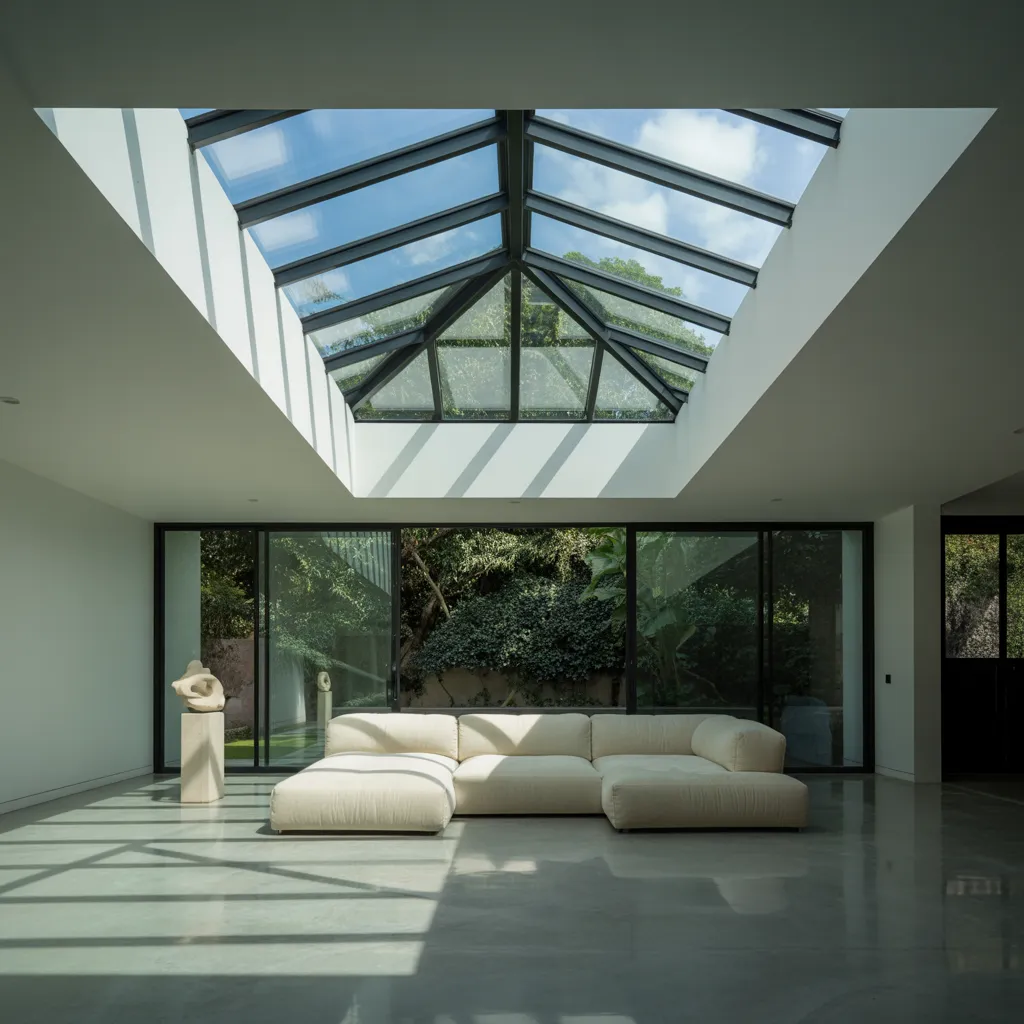
The Benefits of Installing a Modern Roof Lantern
A modern roof lantern functions as a remarkable architectural feature that boosts both aesthetics and functionality. By allowing natural light to penetrate a space, it greatly enhances the character of interiors, forming a bright and inviting environment. This influx of natural light can reduce the reliance on artificial lighting, therefore promoting energy efficiency and potentially lowering electricity bills.
Additionally, roof lanterns can assist in controlling indoor temperatures, enabling better ventilation and air circulation. This can contribute to a more pleasant living space year-round. Their versatile designs can complement various architectural styles, rendering them appropriate for both contemporary and traditional homes.
Furthermore, a skylighting fixture can provide a unique focal point, capturing focus and adding aesthetic appeal to any room. Overall, the addition of a contemporary skylight not only elevates the aesthetic appeal of a home but also enhances its functionality and energy efficiency, making it a valuable addition.
In-Demand Roof Lantern Choices in 2026
In 2026, the selection of options for contemporary roof lanterns demonstrates a blend of innovation and sustainability. Architects and designers tend to prefer eco-friendly options, such as reclaimed aluminum and responsibly harvested wood. These substances not only reduce environmental impact but also provide a contemporary aesthetic.
Glass stays a popular choice, with innovations in energy-efficient glazing technology permitting better insulation and UV defense. This enables homeowners to enjoy natural light while decreasing energy consumption.
Additionally, blended composites are gaining momentum, blending the resilience of synthetic substances with the aesthetic charm of wood-like appearances. This phenomenon satisfies both functional and aesthetic needs, delivering long-lasting results without sacrificing appearance.
In essence, the materials selected for roof lanterns in 2026 stress both performance and appearance, creating lovely, responsible alternatives that enhance living spaces while meeting modern green standards.
Distinctive Roof Lantern Options to Improve Your Interior and Exterior
Unique roof lantern styles deliver a blend of contemporary and classic aesthetics that can greatly elevate both interiors and exteriors. Contemporary geometric designs offer a sleek, modern look, while traditional Victorian touches lend a sense of refinement and appeal. Investigating these distinct styles enables homeowners to enhance their spaces with unique architectural features.
Contemporary Angular Designs
Striking geometric roof lanterns in the contemporary style offer a striking blend of functionality and aesthetic appeal. These cutting-edge frameworks often display crisp edges, angular shapes, and minimalist frameworks that establish a contemporary appearance while maximizing natural light. By integrating materials such as glass and metal, designers create a sleek, sophisticated finish that complements various architectural styles. The dance of light and shadow through these angular elements enhances both indoor and outdoor spaces, creating visually engaging environments. In addition, flexible choices allow homeowners to pick sizes and shapes that fit their individual requirements, making certain that each lantern serves as a singular standout feature. Ultimately, modern geometric roof lanterns uplift spaces with their modern aesthetics and practical benefits.

Victorian Legacy Impacts
While modern designs dominate the market, classic Victorian influences in roof lanterns continue to captivate homeowners seeking to enhance their living spaces and facades. Noted by intricate detailing, ornate frames, and chic glasswork, these lanterns evoke a sense of timeless charm. The use of wrought iron and stained glass is prevalent, reflecting the craftsmanship of the Victorian era. Homeowners appreciate how these designs create a strong focal point while allowing natural light to flood spaces. In both traditional and contemporary ambiences, Victorian-style lanterns effortlessly blend history with modernity, offering a distinct aesthetic that complements broad architectural styles. As the design landscape evolves, the enduring appeal of classic Victorian influences remains a significant trend in roof lantern choices.
Finding the optimal Roof Lantern for Your Living Space?
When selecting the perfect roof lantern for a home, homeowners should consider both visual attractiveness and practical advantages. The design should complement the design aesthetic of get going the property, whether it be contemporary, traditional, or somewhere in between. Size is another vital factor; the lantern should proportionally fit the space to increase natural light without overwhelming the room.
Material choices, such as aluminum or wood, can also influence the overall look and longevity of the lantern. Homeowners should evaluate the type of glazing, as options like double or triple glazing can enhance thermal insulation and energy efficiency. Additionally, color and finish should align with existing decor to create a cohesive appearance.
Practical matters, such as ease of maintenance and installation demands, are equally critical. Ultimately, a appropriately chosen roof lantern can elevate a home's interior while supplying durable performance and design quality.
Sustainable Roof Lantern Deployment
Implementing green methodologies in roof lantern design gives homeowners an opportunity to strengthen both aesthetics and environmental responsibility. Modern roof lanterns can be produced from eco-friendly materials including reclaimed wood and recycled aluminum, reducing the environmental burden tied to production. Moreover, designers are increasingly concentrating on energy-efficient glazing that enhances natural light while lowering heat loss, resulting in decreased energy expenses.
Furthermore, integrating solar panels into roof lantern designs allows for capturing renewable energy, further promoting sustainability. The application of low-VOC paints and finishes guarantees healthier indoor air quality, aligning with eco-conscious living.
An emphasis on environmental responsibility not only elevates the visual appeal of a home but also embraces a growing trend towards environmentally-friendly living. As homeowners champion sustainability, roof lanterns that embody these principles will emerge as both striking and responsible investments.
Simple Care Suggestions for Your Roof Lantern
Routine maintenance is crucial for maintaining the beauty and performance of roof lanterns. To ensure optimal performance, it is advised to clean the glass surfaces frequently using a soft cloth and a gentle cleanser. This stops the buildup of dirt and grime that can block natural light. Additionally, inspecting the seals and gaskets for deterioration is important; replacing them promptly can avoid leaks and maintain energy efficiency.
Assessing the frame and supporting structure for oxidation and erosion will ensure resilience. If metal components indicate damage, putting on a safeguarding layer can boost their lifespan. In addition, during seasonal changes, it is advisable to take away debris such as leaves or snow that may accumulate on the lantern.
Commonly Raised Questions
What Do Standard Costs for Current Roof Lanterns Look Like in 2026?
In 2026, the average costs of contemporary roof lanterns vary between $1,500 to $5,000, determined by elements such as size, materials, and design complexity, exhibiting the evolving trends in residential design and aesthetics.
How Do Roof Lanterns Change Energy Performance in a Home?
Roof lanterns improve home power conservation by increasing natural light, decreasing reliance on artificial lighting. Their design can enhance ventilation, allowing for better climate control, ultimately contributing to reduced power usage and more eco-friendly living environments.
Do Roof Lanterns work When fitted on older Roofs?
Roof lanterns could be positioned on existing roofs, given structural integrity is reviewed. Quality installation guarantees conformity with the current roofing system and optimizes natural light while enhancing aesthetic appeal and fuel economy in the home.
What Factors Impact the Life expectancy of a Current Roof Lantern?
A modern roof lantern's lifespan usually lasts between 20 to 30 years, contingent upon the materials used, maintenance practices, and exposure to environmental factors. Regular servicing can boost its durability and efficiency over time.
Are roof lanterns compatible with all types of climates?
Roof lanterns may work in multiple climate zones, provided they are properly designed and erected. Insulation, building materials, and drainage requirements are essential to confirm operational effectiveness and durability in both high temperatures and cold environments.